Recovery doesn’t end the day someone completes drug treatment in Miami —in many ways, that’s when one of the most important phases begins. The brain, after months or years of substance exposure, requires time, care, and consistent support to rebuild healthy patterns.
Understanding this ongoing neurological healing process helps individuals stay motivated, manage expectations, and embrace recovery as a gradual journey rather than a single milestone.
Below, we explore how healing continues long after treatment ends, and why patience, consistency, and ongoing support play such powerful roles in lasting recovery.
1. The Brain on Addiction: A Quick Overview
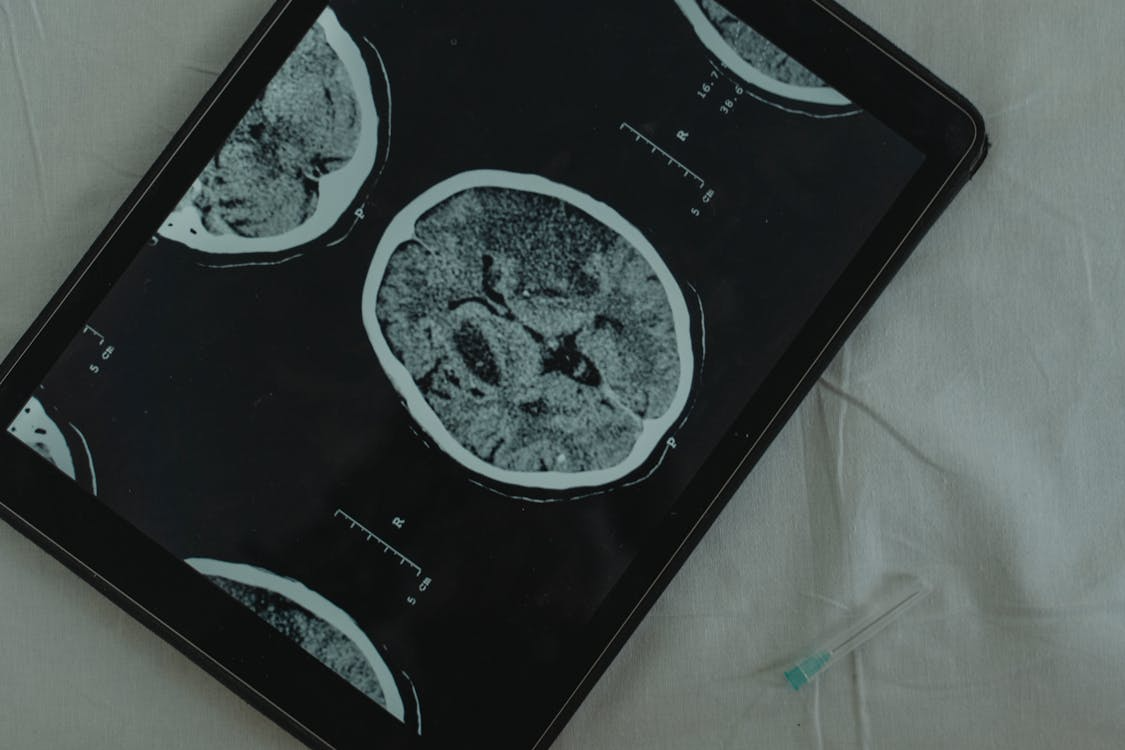
Addiction alters key areas of the brain responsible for reward, memory, and decision-making. Substances can disrupt dopamine pathways, weaken impulse control, and create intense cravings tied to environmental triggers.
Through structured addiction treatment, individuals begin reversing these effects, but neurological repair doesn’t happen overnight. Just as addiction develops over time, healing unfolds in stages, requiring continued commitment and supportive care.

2. Neuroplasticity: The Brain’s Built-In Healing Ability
One of the most hopeful aspects of recovery is neuroplasticity—the brain’s ability to reorganize and form new neural connections. After substance abuse treatment, individuals may gradually notice improved concentration, emotional regulation, and resilience.
However, this rewiring process can take months or even years. Consistency in healthy routines, therapy, and self-care habits helps reinforce new pathways, strengthening the brain’s ability to respond to stress and triggers more effectively.
3. Why Early Recovery Can Feel Emotionally Intense
Many people expect to feel “back to normal” once treatment ends, but early recovery often comes with mood swings, anxiety, or low energy. These experiences are natural as the brain recalibrates neurotransmitter levels.
Working with an addiction therapist in Miami or participating in structured support sessions can help individuals understand emotional fluctuations while building coping strategies that promote stability and confidence during the healing process.
4. The Role of Ongoing Therapy in Brain Recovery
Long-term neurological healing benefits greatly from continued therapeutic engagement. Approaches like cognitive behavioral therapy, mindfulness practices, and trauma-informed care encourage healthier thinking patterns and emotional processing.
Regular check-ins with an addiction counselor or participation in addiction counselling programs provide consistent reinforcement, helping individuals navigate challenges while strengthening their mental resilience.

5. Outpatient Support: Maintaining Progress in Daily Life
Recovery doesn’t happen in isolation—it happens while individuals return to work, family, and everyday responsibilities. Programs like outpatient drug rehab offer structured guidance without disrupting daily routines, allowing people to apply coping skills in real-world environments.
This balance of independence and professional support promotes confidence, accountability, and steady neurological growth over time.
6. Lifestyle Habits That Accelerate Brain Healing
Healing extends beyond therapy sessions. Healthy habits reinforce brain recovery and emotional stability. Consider integrating:
- Regular Exercise: Boosts endorphins and improves mood regulation.
- Balanced Nutrition: Supports neurotransmitter function and energy levels.
- Quality Sleep: Essential for memory, emotional balance, and cognitive repair.
- Mindfulness Practices: Reduce stress and encourage mental clarity.
- Social Connection: Strengthens emotional resilience and reduces feelings of isolation.
Each positive habit reinforces new neural pathways, gradually replacing harmful patterns with healthier behaviors.
7. Patience and Consistency: The Real Drivers of Change
One of the biggest misconceptions about recovery is that progress should be immediate. In reality, the brain heals incrementally. Small victories, like managing stress without substances or navigating a challenging conversation, signal meaningful neurological growth.
Consistency in routines, therapy sessions, and community support creates stability that allows the brain to continue rebuilding. Over time, cravings often diminish, decision-making improves, and individuals feel more emotionally grounded.

8. A Journey Worth Continuing
Healing after addiction is not a straight line; it’s a continuous process marked by progress, reflection, and growth. With the right support systems and ongoing commitment, individuals can experience profound transformation—not only in behavior but also in the brain’s structure and function.
Recognizing that recovery continues long after treatment empowers individuals to remain patient with themselves and celebrate each step forward. True healing happens gradually, and every effort invested today strengthens a healthier tomorrow.
Strengthen Recovery With CPC
If you or someone you love is navigating life after addiction treatment, CPC offers compassionate care through substance abuse treatment, personalized addiction therapy, and flexible outpatient drug rehab in Miami.
Our experienced team supports long-term brain healing and sustainable recovery. Take the next step toward lasting wellness today with trusted guidance. Reach out now to our addiction counseling programs in Miami.