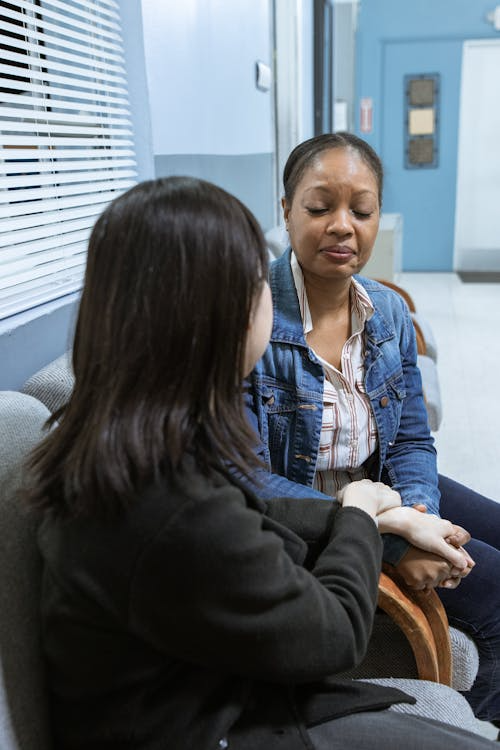
When a family member struggles with opioid dependency, the impact ripples through the entire household. In the Sunshine State, where the opioid crisis has affected diverse communities, finding the right path toward healing is a collective effort. Providing effective opioid recovery support in Florida requires a delicate balance of compassion, firm boundaries, and professional guidance. For families navigating this journey, understanding how to be an anchor without becoming an enabler is the first step toward lasting change.
Open Communication and Emotional Support
The foundation of recovery is a safe, non-judgmental environment. High levels of stigma often surround opioid use, leading to secrecy and shame. To provide the best opioid recovery support in Florida, families must prioritize “active listening.” Encourage your loved one to share their struggles without the fear of immediate lecture.
While emotional support is vital, it must be paired with professional intervention. Early involvement in addiction therapy in Miami can help families learn how to communicate effectively. Therapists teach families how to use “I” statements to express concern, which reduces defensiveness in the person seeking recovery.
Setting Healthy Boundaries
One of the hardest lessons for Florida families is the difference between helping and enabling. Enabling includes covering up for a loved one’s mistakes, providing money that could be used for drugs, or making excuses for their behavior. Establishing clear boundaries is a core component of substance abuse treatment in Miami.
Boundaries are not meant to be punitive; they are designed to protect the family’s well-being and encourage the individual to take responsibility for their own recovery. For instance, a boundary might be: “We love you and support your recovery, but we will not allow substances in our home.” Sticking to these rules provides the structure necessary for opioid recovery support in Florida.

Involvement in the Treatment Process
Recovery is rarely a solo mission. Families who participate in the clinical process often see higher success rates. By engaging in addiction therapy in Miami, family members can better understand the neurobiology of addiction, helping them view the struggle as a chronic medical condition rather than a moral failing.
Involvement might include attending family therapy sessions, participating in support groups like Al-Anon or Nar-Anon, or simply assisting with the logistics of attending substance abuse treatment in Miami. Knowing that their family is invested in the process can be a powerful motivator for a person in early recovery.
Self-Care for the Family
You cannot pour from an empty cup. The stress of supporting a loved one through withdrawal and rehabilitation can be exhausting. Utilizing local resources for substance abuse treatment in Miami isn’t just for the individual—it often includes resources for the family as well. Seeking your own addiction treatment in Miami or peer support can prevent burnout and help you remain a stable presence in your loved one’s life.
Start the Journey to Healing Together
Recovery is a marathon, not a sprint, but your family doesn’t have to run it alone. Expert help can provide the tools needed to rebuild trust and restore health to your home.
Is your family ready to support a loved one’s path to sobriety? Contact The Comprehensive Psychiatric Center today to learn about our family-centered recovery programs.