
Recovery care has moved well beyond a one-size-fits-all model. Today, the strongest innovative addiction programs are built around personalization, evidence-based therapies, and tools that help people stay connected to care in ways that fit their lives.
Guidance from expert addiction therapist in Miami continues to emphasize that substance use disorders are treatable, that behavioral therapies and counseling are effective, and that modern delivery methods can improve access and engagement.
Why Personalized Care Matters
No two recovery journeys look the same. People enter treatment with different triggers, schedules, support systems, and levels of readiness for change. Personalized care starts by understanding those differences and building a plan around them rather than forcing everyone into the same routine.
A personalized plan can make recovery feel more manageable because it reflects what the person actually needs. That might mean adjusting the intensity of services, changing the cadence of follow-up, or focusing on the practical barriers that make consistency difficult. When care feels relevant, people are more likely to stay engaged.
Technology Makes Support More Accessible
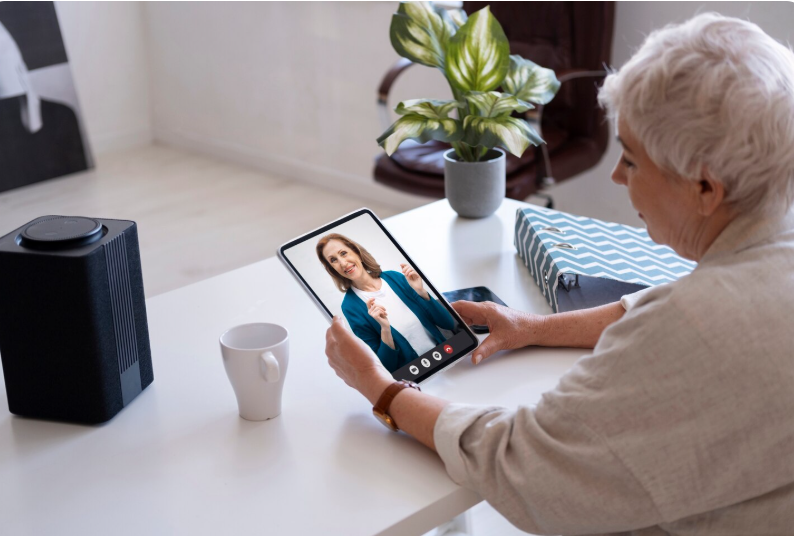
Technology has become one of the biggest shifts in modern addiction care. Many addiction therapists and experts note that tele health can be used to deliver substance use disorder treatment, and it also highlights the growth of digital therapeutics, mobile apps, electronic medical records, and wearable tools in behavioral health.
For many people, this means fewer gaps in care. Virtual visits, remote check-ins, and app-based support can reduce missed appointments and help patients stay connected between sessions.
Evidence-Based Methods Still Lead the Way
Innovation does not replace proven care; it strengthens it. Cognitive Behavioral Therapy and Motivational Interviewing remain core tools because they help people identify thought patterns, strengthen motivation, and build healthier responses to triggers.
Contingency management is another example of a modern, evidence-based approach that has gained renewed attention. SAMHSA describes CM as a proven intervention for a variety of substance use disorders and notes its value in encouraging abstinence, attendance, and medication adherence.
Whole-Person Care Supports Better Recovery
Modern treatment also recognizes that substance use does not happen in isolation. Many people need support for overlapping concerns, and addiction counselors recommend integrated care for co-occurring disorders. That whole-person view helps programs respond more effectively to the realities of daily life, rather than focusing on one issue at a time.
This matters because recovery is not only about stopping substance use. It is also about rebuilding routines, confidence, and the ability to participate in life more fully. Innovative programs work best when they combine structure with flexibility and science with compassion.
A Smarter Path Forward
Addiction counselors at the Comprehensive Psychiatric Center believe real progress comes from care that is structured, flexible, and built around the individual. Our approach reflects the strengths of Innovative Addiction Programs by combining personalized planning, evidence-based support, and consistent outpatient care that helps patients stay engaged in recovery.
Schedule a consultation now to learn about our opiate addiction treatment in Miami and recover in a treatment setting that values modern, patient-centered support. Our team is ready to help you move forward with clarity and confidence.